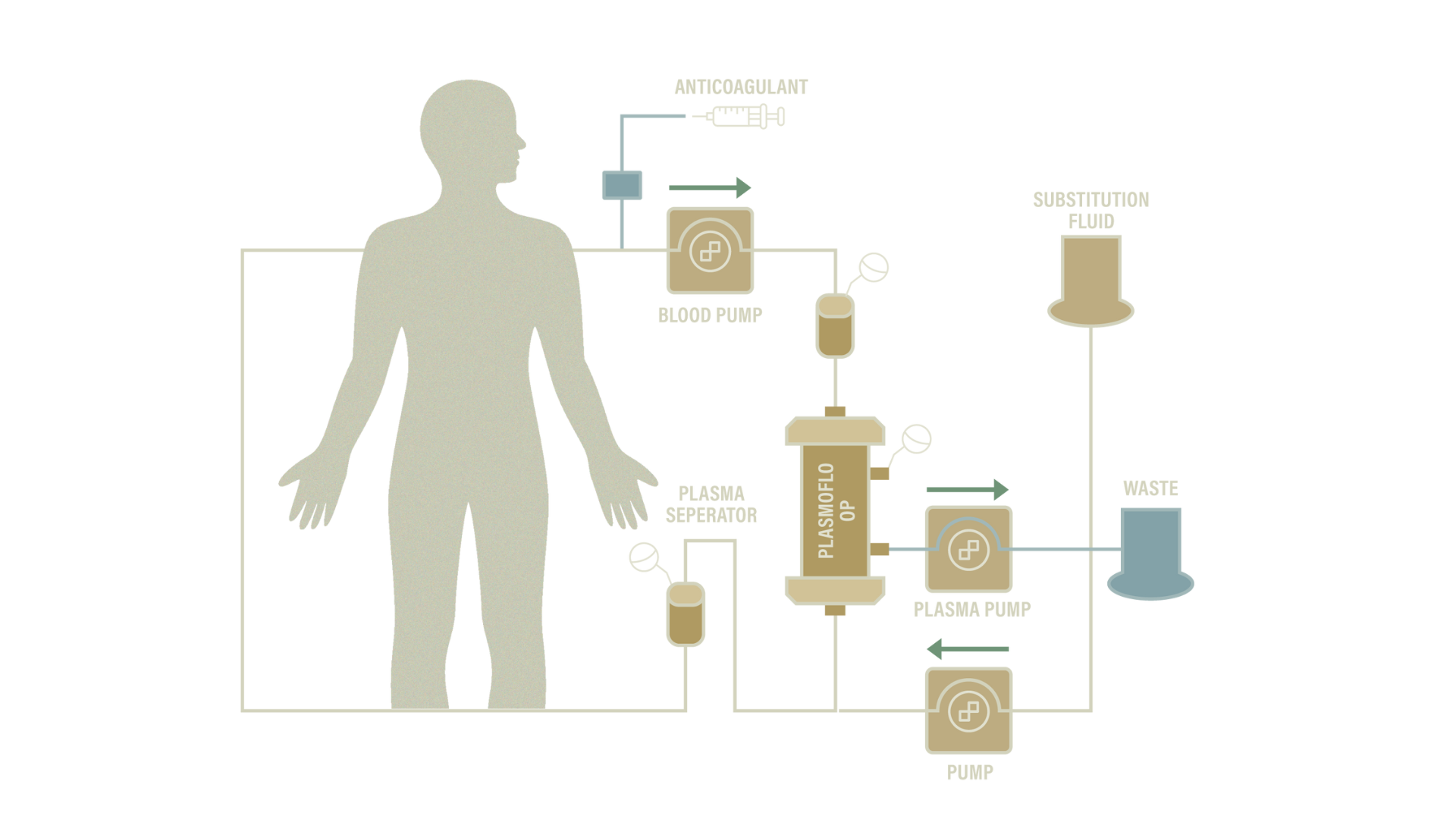
The AMBAR study examined the feasibility and safety of plasma exchange (PE) with albumin replacement in patients with mild-to-moderate Alzheimer’s disease (AD). Patients received six weeks of weekly therapeutic plasma exchange (TPE) followed by monthly low-volume plasma exchange (LVPE) for 12 months.
Key Findings:
- Adverse events (AEs) related to the PE procedure were recorded for all treatment groups, which included placebo (sham PE), low-albumin, low-albumin with intravenous immunoglobulin (IVIG), and high-albumin with IVIG.
- Procedure-related AEs were more frequent in the active treatment groups, with 16.9% of TPE and 12.5% of LVPE procedures associated with AEs.
- The rate of AEs was higher with central venous access (20.1%) compared to peripheral venous access (13.1%).
Conclusion: The TPE and LVPE procedures used in the AMBAR study were generally safe and feasible for mild-to-moderate AD patients, with AE rates comparable to those in other plasma exchange applications. However, central venous access was associated with a higher risk of AEs than peripheral access.